In the fast-paced world of digital advertising, remarketing strategies in PPC play a pivotal role in re-engaging audiences and driving PPC conversion optimization. By targeting users who have previously interacted with your brand—such as those who viewed products like Adidas Adi-Lux Taekwondo Shoes—remarketing leverages familiarity to boost conversions. Tools like Google Ads retargeting and Meta Ads remarketing enable businesses to recapture these users across platforms, turning fleeting interactions into lasting engagements. This comprehensive guide, designed for advanced PPC practitioners, explores the fundamentals of remarketing, audience segmentation, campaign setup, optimization techniques, and performance tracking to maximize ROI. We’ll cover how to craft effective strategies, with practical examples like retargeting users interested in Adidas products, to ensure your brand stays top-of-mind.
Understanding Remarketing Strategies
Defining Remarketing Strategies
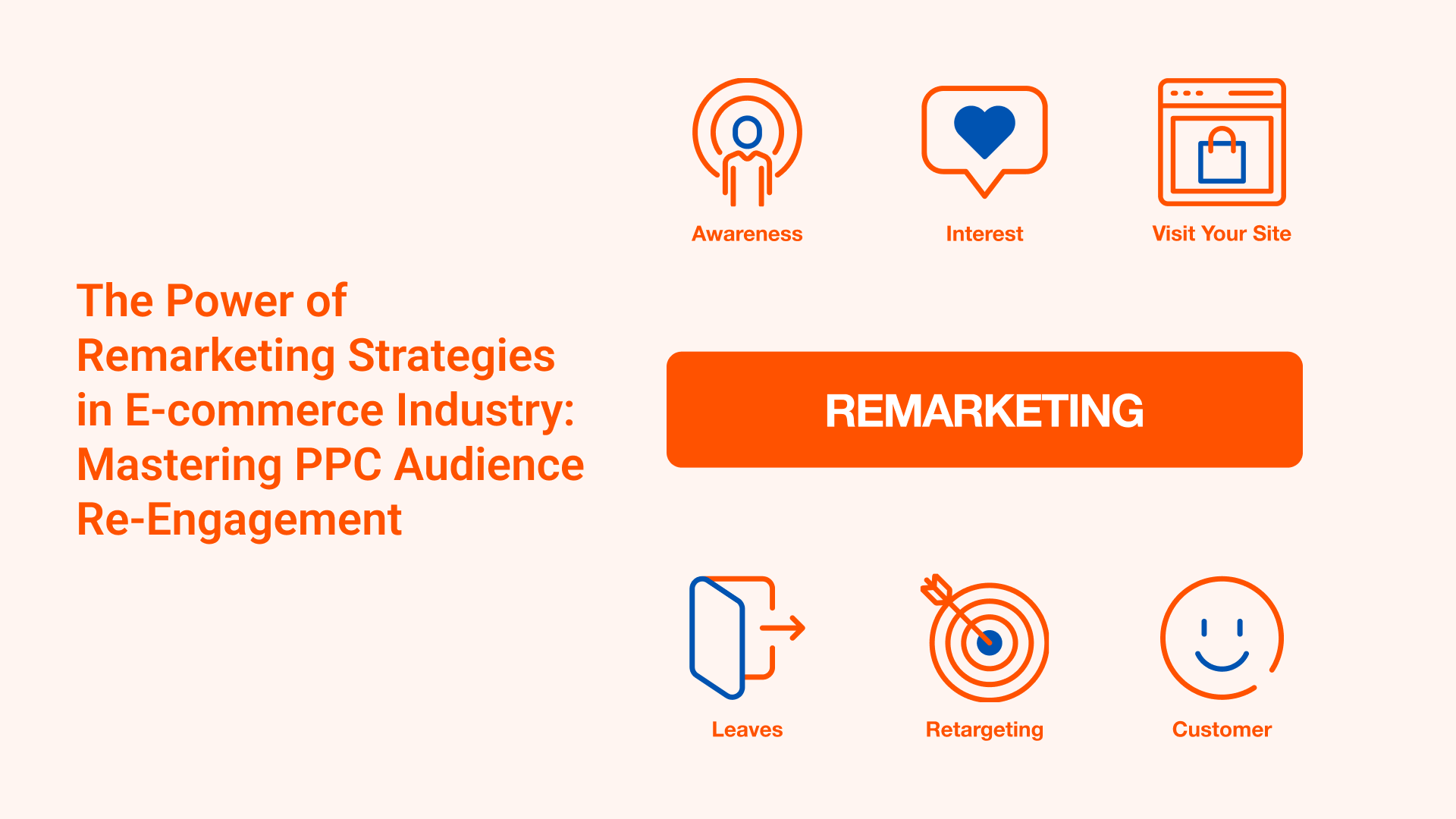
Remarketing involves delivering targeted ads to users who have previously engaged with your website, app, or products, fostering audience re-engagement. It focuses on guiding users through the sales funnel, from awareness to conversion, by addressing their specific behaviours. Key types include:
- Google Ads Retargeting: Displaying ads to past visitors on the Google Display Network or through Remarketing Lists for Search Ads (RLSA).
- Meta Ads Remarketing: Targeting users on Facebook and Instagram with personalized ads based on their interactions.
- Dynamic Remarketing: Showing tailored ads featuring specific products, like Adidas Contestant Rio Shoes, viewed by users.
- Email Remarketing: Sending targeted emails to re-engage users, such as cart abandoners, with personalized offers.
Evolution of Remarketing
Advancements in ad platforms have refined remarketing precision. Google Ads introduced dynamic remarketing in 2013, enabling product-specific ads, while Meta Ads enhanced audience segmentation with Custom Audiences. Privacy regulations like GDPR and CCPA have reshaped strategies, emphasizing user consent and anonymized data. Recent AI-driven updates, such as Google’s Performance Max campaigns, further optimize PPC conversion optimization by automating audience targeting across channels.
Why Remarketing Strategies Matter
Remarketing delivers significant advantages for PPC campaigns:
- Boosts PPC Conversion Optimization:
- Targets warm audiences with higher conversion likelihood, achieving up to 2-3x higher conversion rates than cold traffic.
- Enhances Audience Re-Engagement:
- Repeated exposure via Google Ads retargeting and Meta Ads remarketing increases brand recall by fostering trust.
- Consistent touchpoints across platforms keep users engaged at critical funnel stages.
- Cost-Effective ROI:
- Remarketing campaigns yield a higher ROI by focusing on users already familiar with your brand, reducing acquisition costs.
- Example: Retargeting cart abandoners costs less per conversion than targeting new users.
- Personalized Ad Experiences:
- Tailored ads, like those showcasing Adidas Contestant Rio Shoes, align with user interests, reducing ad fatigue and improving click-through rates (CTR).
- Personalized messaging addresses specific pain points, enhancing engagement.
Ignoring remarketing risks losing high-intent users to competitors, as most website visitors leave without converting on their first visit.
Researching Remarketing Opportunities
Audience Behaviour Analysis
- Track User Actions: Use Google Analytics to monitor behaviours like page views, time spent, or cart abandonment for audience re-engagement insights.
- Identify High-Value Segments: Focus on users who viewed premium products or spent significant time on high-intent pages.
Competitor Analysis
- Study Competitor Campaigns: Analyze competitors’ Google Ads retargeting and Meta Ads remarketing strategies via X posts or tools like Semrush.
- Identify Gaps: Look for weaknesses, such as generic ad creatives or unoptimized audience segments, to craft unique approaches.
Platform-Specific Insights
- Leverage Analytics: Use Google Ads and Meta Ads Manager to analyze audience demographics, interests, and device preferences.
- Monitor Trends: Track X discussions for trending products or pain points, like demand for martial arts gear, to inform ad messaging.
Building Effective Remarketing Strategies
Audience Segmentation for Re-Engagement
Create granular audience lists based on behaviour:
- Site Visitors: Target all visitors or specific page viewers (e.g., those who viewed Adidas shoe product pages).
- Cart Abandoners: Focus on users who added items like Adidas Contestant Rio Shoes but didn’t purchase.
- Past Purchasers: Upsell to customers with complementary products, like martial arts gear for Adidas shoe buyers.
- Time-Based Segments: Use 7-day, 14-day, or 30-day windows to align with purchase cycles, ensuring timely re-engagement.
Crafting Ads for Google Ads Retargeting and Meta Ads Remarketing
- Dynamic Ads:
- Use product feeds to display specific items, viewed by users.
- Implement dynamic remarketing in Google Ads for personalized product recommendations.
- Creative Best Practices:
- Include high-quality visuals of products, clear CTAs (e.g., “Shop Now”), and incentives like “15% off Adidas shoes today!”
- Use carousel ads on Meta platforms to showcase multiple products.
- Ad Copy:
- Address pain points directly, e.g., “Left your Adidas shoes in the cart? Grab them now with free shipping!”
- Keep copy concise and action-oriented to drive clicks.
Platform Selection
- Google Ads Retargeting:
- Use the Display Network for standard or dynamic ads to reach users across millions of sites.
- Leverage RLSA to bid higher on search terms for returning visitors.
- Meta Ads Remarketing:
- Run ads on Facebook and Instagram for high engagement, targeting users with Custom Audiences.
- Use Instagram Stories for visually appealing, short-lived ads.
- Email Integration:
- Send personalized emails to cart abandoners with incentives, like discounts on Adidas products, to complement ad campaigns.
Bidding for PPC Conversion Optimization
- Automated Bidding: Use strategies like Target ROAS or Maximize Conversions to prioritize high-value audiences.
- Bid Adjustments: Increase bids by 20-30% for cart abandoners or past purchasers to drive conversions.
- Budget Allocation: Allocate 15-20% of PPC budgets to remarketing for optimal ROI.
Advanced Remarketing Techniques
To scale your campaigns, implement these advanced strategies:
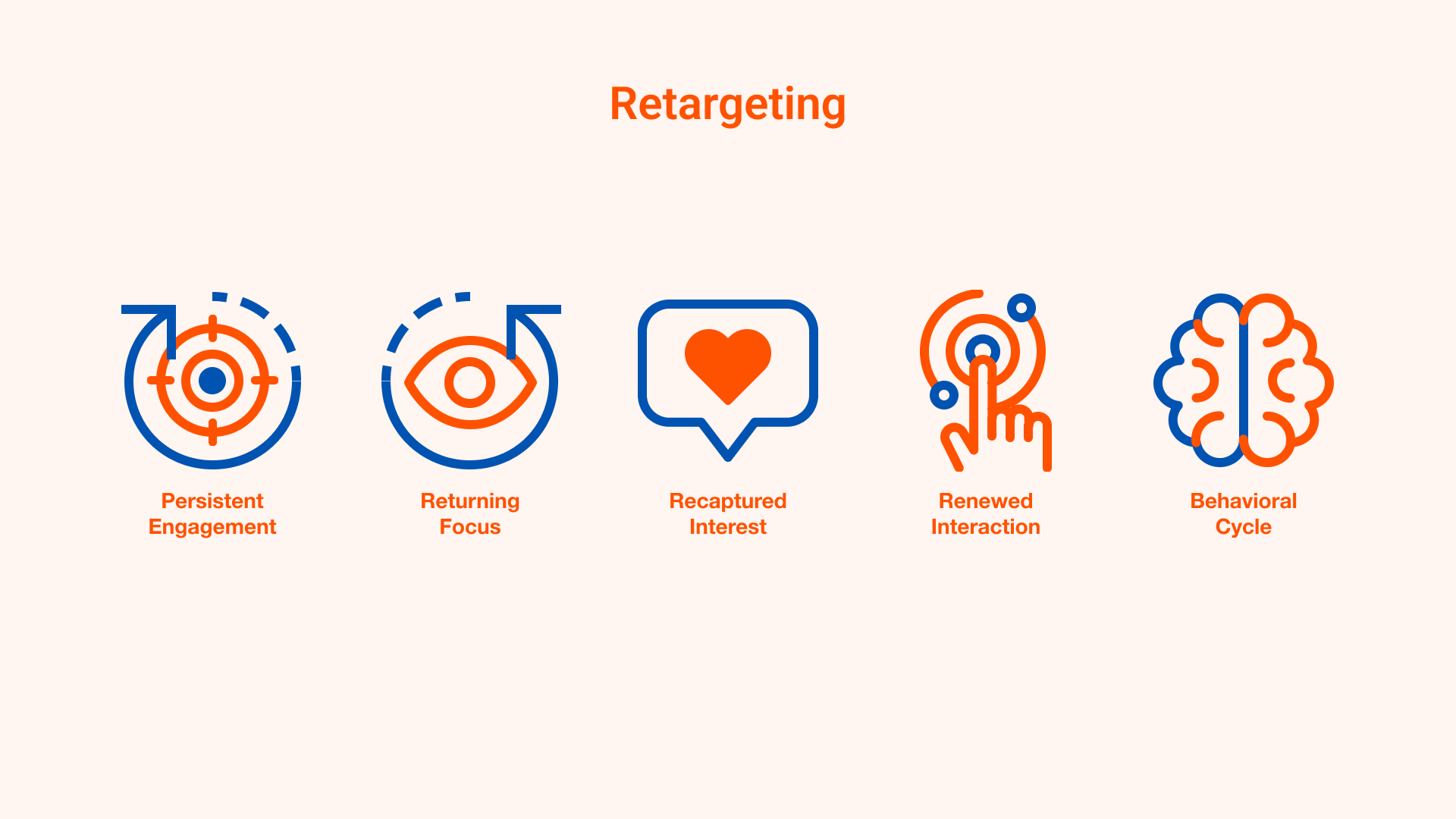
- Cross-Platform Remarketing:
- Combine Google Ads retargeting, Meta Ads remarketing, and email for a cohesive strategy.
- Example: Show Adidas shoe ads on Instagram, follow up with a Google Display ad, and send an email offering free shipping.
- Use UTM parameters to track cross-channel performance and optimize touchpoints.
- Lookalike Audiences:
- Create lookalike audiences in Google Ads and Meta Ads from high-performing remarketing lists to expand reach.
- Example: Target users similar to those who purchased Adidas Contestant Rio Shoes to attract new customers.
- Dynamic Creative Optimization:
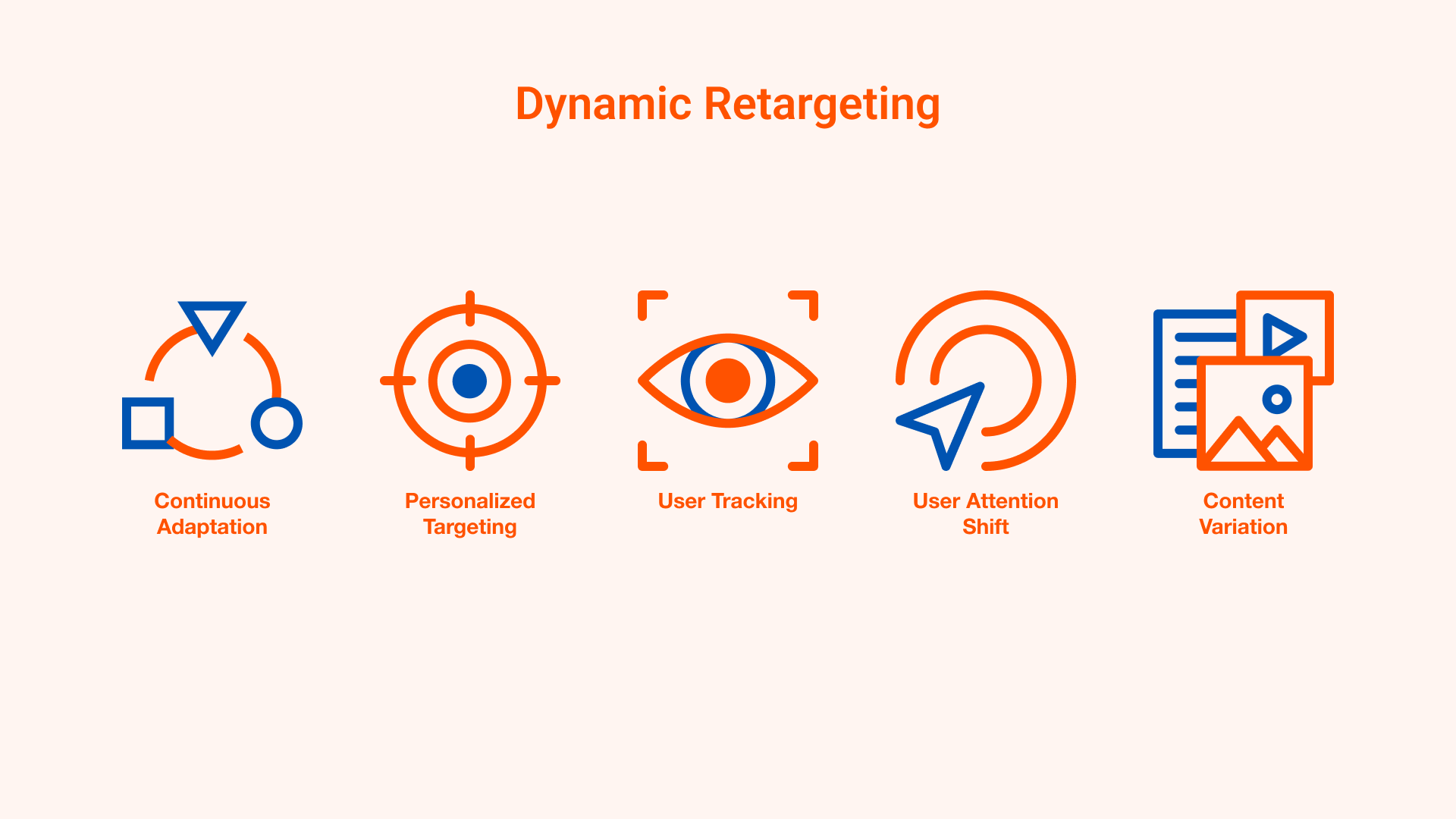
- Use AI tools like Smartly.io to test ad variations, such as different Adidas shoe images or CTAs, for PPC conversion optimization.
- Rotate creative elements (e.g., headlines, colors) to identify high-performing combinations.
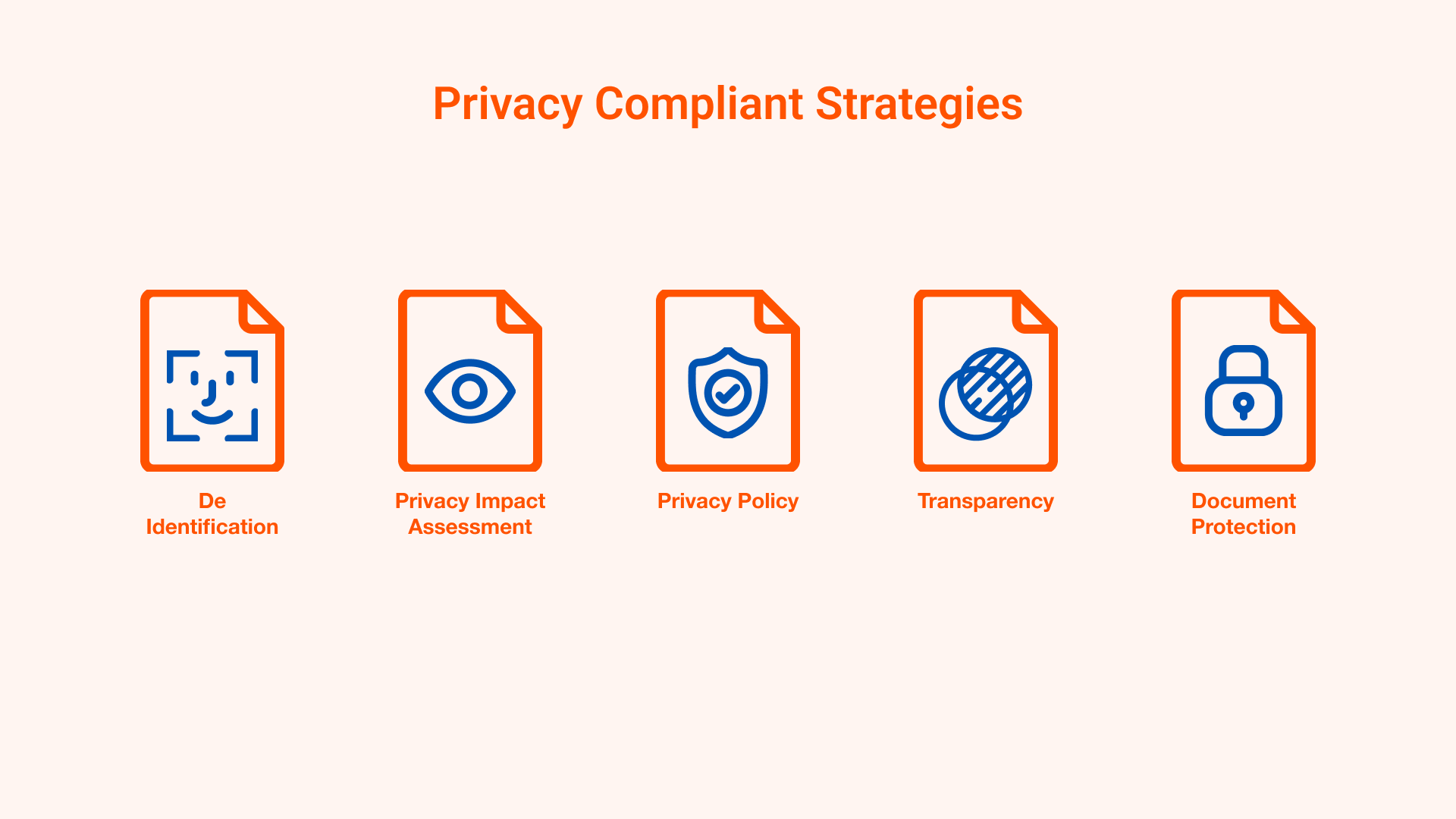
- Privacy-Compliant Strategies:
- Ensure compliance with GDPR and CCPA by using anonymized data and obtaining user consent via clear opt-in mechanisms.
- Implement Google’s Consent Mode for privacy-friendly tracking, preserving ad performance.
- Use first-party data, like email lists, to build robust remarketing audiences without relying on third-party cookies.
These techniques maximize engagement while aligning with modern privacy standards and platform capabilities.
Measuring and Refining Remarketing Campaigns
Key Performance Indicators (KPIs)
- Conversion Metrics:
- Conversion Rate: Target a 5-10% conversion rate for remarketing campaigns, higher than the 1-2% for cold traffic.
- Cost Per Conversion: Aim for a 20-30% lower cost per conversion compared to non-remarketing campaigns.
- ROAS: Achieve a 4:1 or higher return on ad spend for PPC conversion optimization.
- Engagement Metrics:
- CTR: Target a 2-3% CTR for remarketing ads, reflecting strong audience relevance.
- CPC: Monitor cost per click to ensure efficient budget use.
- Ad Impressions: Track impressions to gauge reach and frequency for audience re-engagement.
- Audience Growth:
- Monitor the size of remarketing lists, aiming for steady growth through site traffic.
- Evaluate lookalike audience performance, targeting a 1-2% conversion rate for new users.
Performance Tracking
- Platform Reports: Use Google Ads and Meta Ads Manager to monitor campaign performance, focusing on conversions and engagement.
- Cross-Platform Tracking: Implement UTM parameters in Google Analytics to track cross-channel results and attribute conversions accurately.
- Attribution Models: Use multi-touch attribution to understand how remarketing contributes to the customer journey.
Iterative Optimization
- A/B Testing:
- Test ad creatives, such as different visuals for Adidas shoes or varying CTAs, to improve CTR.
- Experiment with audience segments, like 7-day vs. 30-day windows, to optimize relevance.
- Refinement:
- Adjust underperforming segments, such as low-converting audiences, by refining targeting criteria.
- Incorporate insights from X trends, like seasonal demand for martial arts gear, to update ad messaging.
- Budget Reallocation: Shift budgets toward high-performing campaigns, like those targeting cart abandoners, to maximize ROI.
What’s Next for Remarketing: Emerging Trends to Stay Ahead
- AI-Driven Personalization:
- AI tools will predict user behaviour, targeting those likely to convert based on patterns like frequent Adidas product views.
- Predictive analytics will optimize ad timing and content for maximum PPC conversion optimization.
- Contextual Targeting:
- With cookie deprecation, contextual ads will target users based on page content, like martial arts blogs for Adidas shoe ads.
- Zero-party data, collected via quizzes or preference forms, will enhance personalization.
- Interactive Ad Formats:
- Video ads and shoppable posts on Meta Ads and X will drive audience re-engagement with immersive experiences.Example: Use Instagram Reels to showcase Adidas Adi-Lux Taekwondo Shoes with a “Shop Now” link.
Key Takeaways
Remarketing strategies are essential for audience re-engagement and PPC conversion optimization, offering a cost-effective way to recapture high-intent users. By leveraging Google Ads retargeting, Meta Ads remarketing, and advanced techniques like dynamic creative optimization, businesses can maximize ROI.
In summary:
- Segment audiences based on behaviour for targeted campaigns.
- Create personalized ads tailored to user actions, like cart abandonment for Adidas shoes.
- Continuously optimize using data-driven insights from Google Analytics and platform reports.
Audit your PPC campaigns for remarketing opportunities using Google Analytics and implement Google Ads retargeting and Meta Ads remarketing to re-engage your audience. Contact Kika for expert PPC strategy support.