
Pay-per-click (PPC) advertising remains a cornerstone of digital marketing in 2025, driving targeted traffic and measurable results for brands worldwide. Among the leading platforms, Google Ads and Meta Ads dominate, offering unique strengths to reach diverse audiences. Choosing the right platform is critical, as it directly impacts return on investment (ROI), audience reach, and campaign success.
This advanced, data-driven guide compares Google Ads and Meta Ads, equipping brands with insights to align their PPC strategy with business goals. We’ll explore platform overviews, key differences, use cases, optimization tactics, and future trends to help you make informed decisions.
Understanding Google Ads and Meta Ads
Google Ads
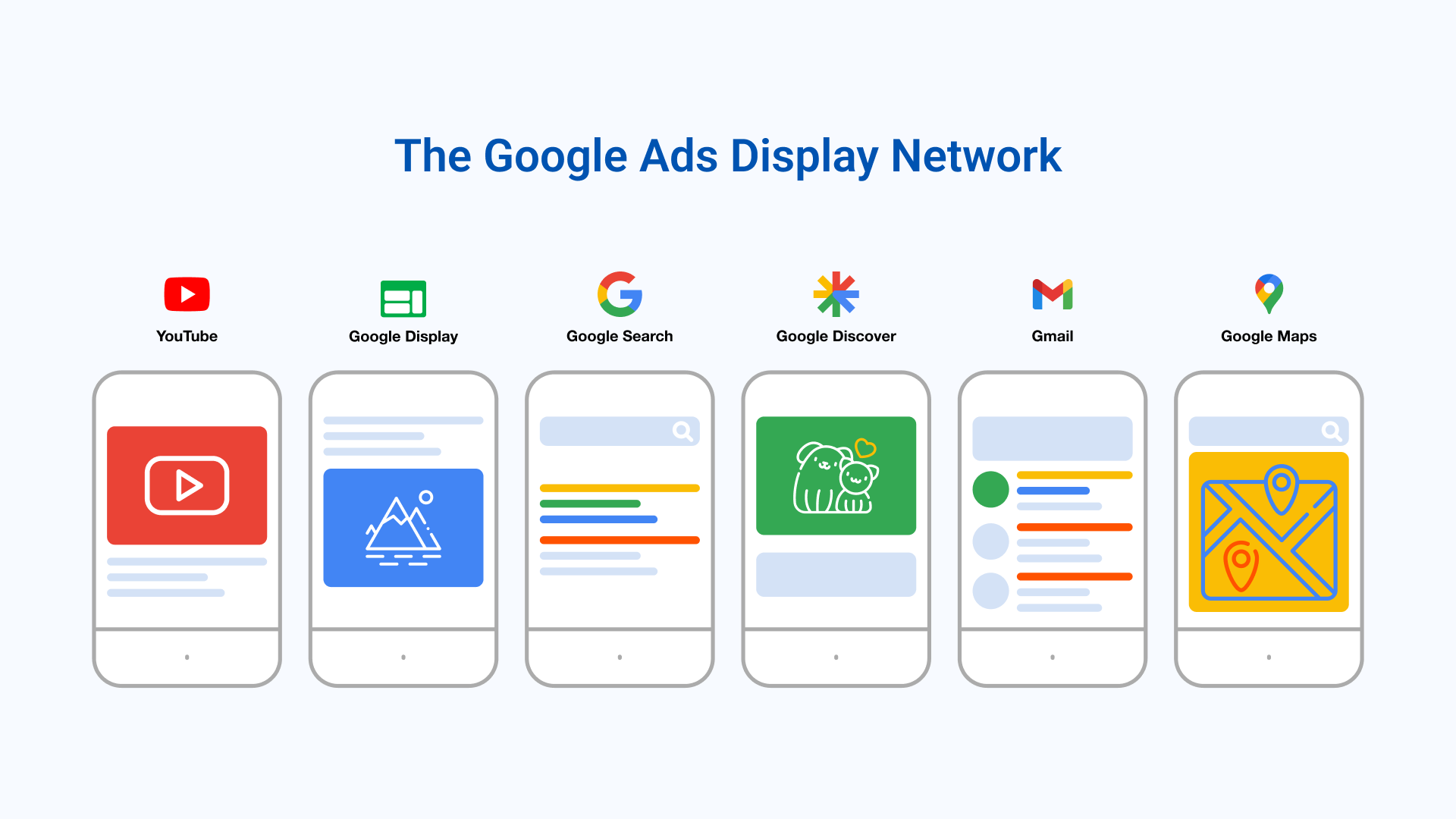
Google Ads is a robust PPC platform leveraging Google’s ecosystem, including Search, Display Network, YouTube, and Shopping ads. It targets users based on search intent, keywords, demographics, and interests, excelling at capturing high-intent users actively searching for products or services. For example, a query like “buy running shoes” triggers Google Ads’ Shopping or Search ads, aligning with immediate purchase intent.
Meta Ads
Meta Ads powers advertising across Facebook, Instagram, WhatsApp, and the Audience Network, focusing on demographic, interest, and behavior-based targeting. Its strength lies in building brand awareness through visually engaging ads, ideal for storytelling and fostering emotional connections. For instance, a fashion brand can use Instagram Stories to showcase new collections, driving engagement among social media users.
Evolution of PPC in 2026
Advancements in AI-driven bidding, such as Google’s Smart Bidding and Meta’s Advantage+, have transformed PPC efficiency by automating bid adjustments for maximum ROI. Privacy changes, including iOS tracking restrictions and cookie deprecation, have shifted targeting toward first-party data and contextual signals. These changes demand adaptive strategies to maintain ad relevance and performance.
| Aspect | Google Ads | Meta Ads |
| Drive | Intent-driven: Targets users actively searching for specific products or services. | Discovery-driven: Targets users browsing social feeds, often unaware of needs. |
| Focus | Search-focused: Emphasizes text-based ads on search results and partner sites. | Social-focused: Emphasizes ads within social media platforms like Facebook and Instagram. |
| Content Type | Text-heavy: Primarily text ads, with options for display, video, and shopping ads. | Visual-heavy: Prioritizes images, videos, carousels, and interactive ad formats. |
| Ideal Use Case | Capturing users with high purchase intent or seeking immediate solutions. | Engaging users exploring content, building brand awareness, or sparking interest. |
| Targeting Options | Keyword-based, location, demographics, interests, remarketing, and device targeting. | Behavioral, interest-based, demographic, lookalike audiences, and custom audiences. |
| Ad Placement | Google Search, Display Network, YouTube, Gmail, and partner websites. | Facebook, Instagram, Messenger, WhatsApp, and Meta’s Audience Network. |
| Cost Model | Primarily cost-per-click (CPC), with options for cost-per-impression (CPM) or cost-per-action (CPA). | Cost-per-impression (CPM), cost-per-click (CPC), or cost-per-action (CPA), optimized for engagement. |
| User Intent | High intent: Users are actively searching for solutions or answers. | Low to medium intent: Users are passively browsing, open to discovery. |
| Analytics | Google Analytics integration for detailed tracking of conversions and ROI. | Meta Pixel and Insights for tracking engagement, reach, and campaign performance. |
| Best For | E-commerce, lead generation, service-based businesses targeting specific queries. | Brand awareness, lifestyle products, visual storytelling, and community building. |
Figure: Core Differences at a Glance
Audience Reach and Scale
Google Ads taps into billions of daily searches, spanning Search, YouTube, and the Display Network, offering unmatched reach across diverse audiences. Meta Ads, with over a billion monthly active users across its platforms, excels in social engagement, particularly for lifestyle and consumer-focused brands. Google is ideal for broad reach; Meta shines for deep, community-driven interactions.
Targeting Capabilities
Google Ads leverages keyword-based targeting, remarketing, and location-based options to reach high-intent users. For example, a B2B SaaS company can target “best CRM software” to capture decision-makers. Meta Ads offers granular demographic, interest, and behavior targeting, plus lookalike audiences for scaling reach. Meta’s Advantage+ audience automates targeting, while Google’s Performance Max optimizes across all Google channels, blending automation with intent-driven precision.
Ad Formats and Creative Options
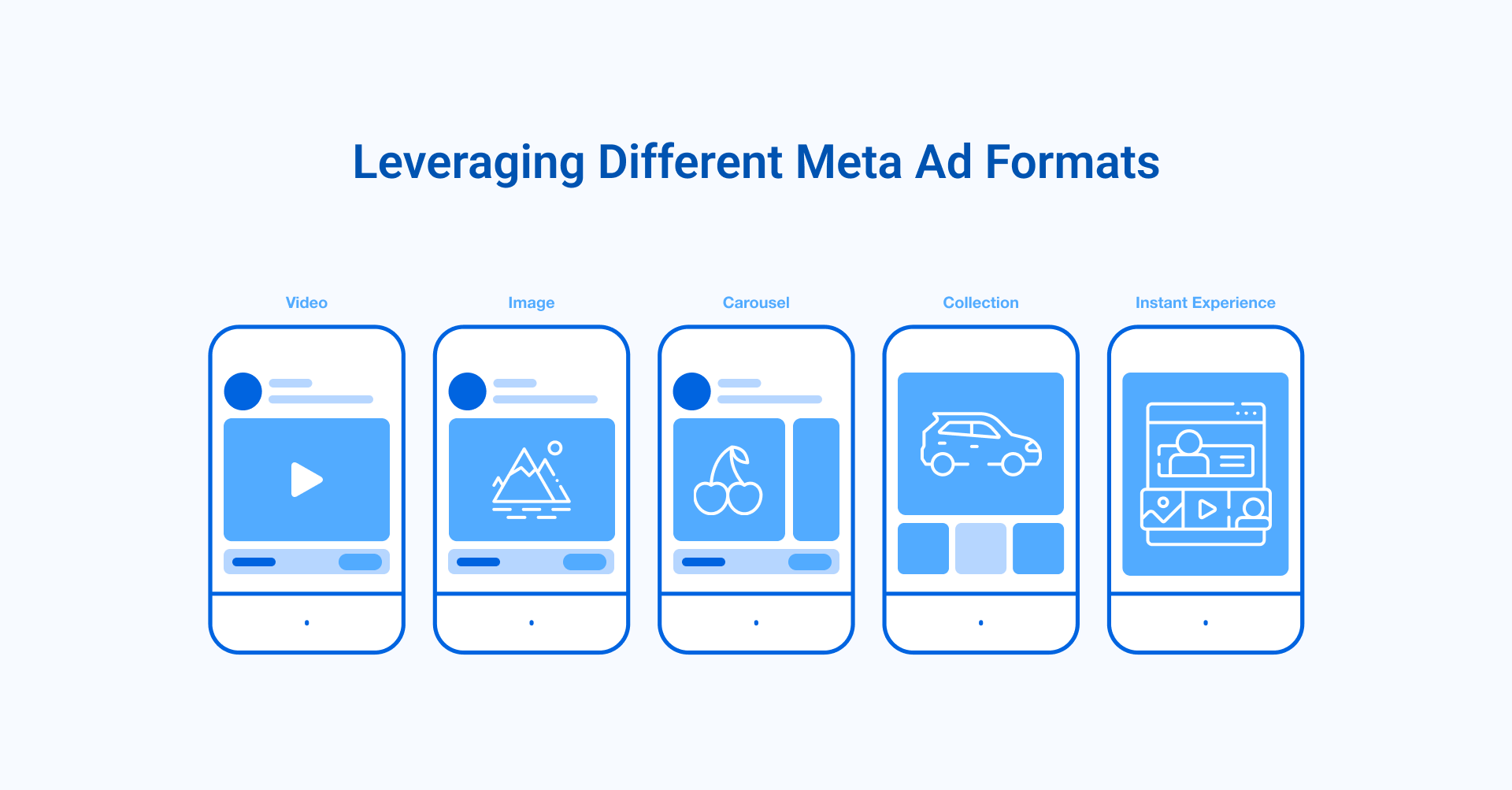
Google Ads supports text ads, Shopping ads, video ads on YouTube, and Display banners, emphasizing functional, intent-driven formats. Meta Ads offers image, video, carousel, Stories, and interactive ads like Instant Experience, ideal for visually compelling campaigns. Google suits straightforward, conversion-focused ads, while Meta excels in creative, storytelling-driven campaigns.
Cost and ROI
In 2026, Google Ads’ average cost-per-click (CPC) is $5.26, higher due to its focus on high-intent users, yielding faster conversions. Meta Ads averages $1.72 CPC, offering cost-effective reach but requiring longer nurturing for conversions. A minimum budget of $1,000/month per platform is recommended for meaningful data collection and optimization.
Campaign Objectives and Buyer’s Journey
Google Ads excels at bottom-of-funnel (BOFU) objectives, driving conversions and sales for users ready to act. Meta Ads targets top-of-funnel (TOFU) and middle-of-funnel (MOFU) stages, fostering awareness and engagement. For instance, Google captures users searching “buy CRM software,” while Meta builds brand affinity through lifestyle ads.
Strategic Use Cases for Each Platform
Google Ads Use Cases
- E-commerce: Shopping ads target high-intent queries like “buy running shoes,” driving immediate sales. For example, Shopify merchants use Google Shopping to boost seasonal spikes.
- Local Businesses: Location-based targeting captures “near me” searches, ideal for restaurants or retail stores.
- B2B: Targets decision-makers searching for solutions like “best project management tools.”
Meta Ads Use Cases
- Lifestyle Brands: Fashion, beauty, or food brands use visually engaging ads to build awareness. For instance, Instagram Reels can showcase a new skincare line.
- Community Engagement: Interactive ads and comments foster brand loyalty, perfect for consumer brands.
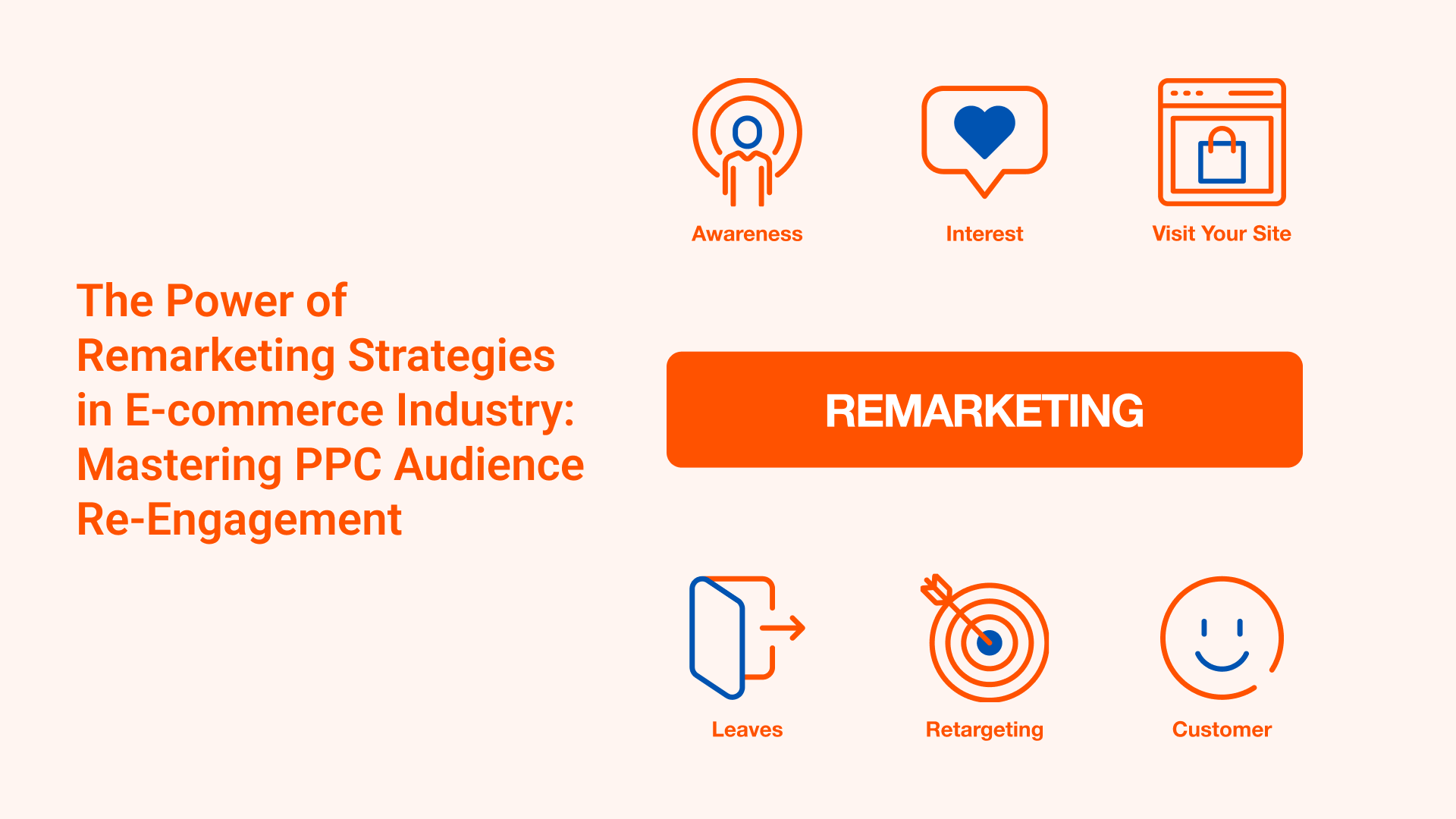
- Retargeting: Dynamic ads re-engage website visitors or app users, boosting conversions.
Hybrid Strategies
A full-funnel approach combines Meta Ads for TOFU/MOFU awareness and Google Ads for BOFU conversions. For example, Meta Ads introduce a product via Instagram Stories, while Google Ads retargets users searching for it. Cross-platform retargeting enhances ROI by leveraging Meta’s pixel and Google’s remarketing lists for cohesive campaigns.
Industry-Specific Insights
- B2C (Retail, Beauty): Meta Ads drive impulse buys and storytelling, ideal for fashion or cosmetics brands.
- B2B (SaaS, Legal): Google Ads captures high-intent, solution-driven searches, delivering qualified leads.
Advanced PPC Tactics for Optimization
Google Ads Optimization
- Keyword Strategy: Use exact and phrase-match keywords to target precise intent, avoiding broad match pitfalls that dilute relevance.
- Quality Score Optimization: Improve ad relevance and landing page experience to lower CPC and boost ad rank, as outlined by WordStream.
- AI-Driven Campaigns: Leverage Performance Max and Smart Bidding for automated optimization across Google’s channels.
- Conversion Tracking: Integrate Google Analytics for precise ROI measurement, tracking metrics like conversion rate.
Meta Ads Optimization
- Creative Testing: A/B test ad formats (e.g., carousel vs. video) to identify high-performing creatives.
- Audience Segmentation: Use custom and lookalike audiences to hyper-target campaigns, maximizing relevance.
- Ad Scheduling: Optimize for peak engagement times based on audience behavior data from Meta Ads Manager.
- Analytics: Use Meta Ads Manager for insights into engagement and conversions.
Cross-Platform Synergies
- Retargeting: Combine Meta’s pixel-based retargeting with Google’s remarketing lists to re-engage users across platforms.
- Creative Alignment: Ensure consistent messaging and visuals for cohesive branding.
- Data Integration: Use tools like HubSpot to track cross-platform performance, unifying data for actionable insights.
Measuring Success and Performance Tracking
| Aspect | Google Ads | Meta Ads |
| Key Performance Indicators | – CTR: Avg. 3.17% (Search). – Conversion Rate: Avg. 7.52%. – CPL: $23–$87 (varies by industry). – Other: CPC ($5.26), ROAS, Quality Score. | – Engagement Rate: 1–5%. – CPM: $7.19–$14.90. – ROAS: Avg. 9.21% (lead gen). – Other: CPC ($0.50–$3.00), conversion rate. |
| Tools for Tracking | – Google Analytics: Conversion & ROI tracking. – Search Console: Keyword & search data. – SEMrush: Competitive insights. – Other: Tag Manager, Looker Studio. | – Meta Ads Manager: Engagement & ROAS tracking. – MyDataNinja: Cross-platform analytics. – Other: Meta Pixel, Hootsuite. |
| Tracking Focus | Search intent, keyword performance, direct response (e.g., leads, sales). | Social engagement, brand awareness, long-term impact. |
| Campaign Goals | Lead gen, e-commerce, traffic, app installs. | Brand awareness, engagement, lead nurturing. |
Figure: Performance & Strategy Comparison
Benchmarking in 2026
Industry-specific benchmarks vary, with Automotive achieving a 14.67% conversion rate and Finance at 2.55%. Competitive sectors like legal see CPCs as high as $8.50, reflecting rising costs.
Iterative Refinement
Analyze underperforming campaigns using analytics to adjust targeting, creatives, or budgets. Stay updated on platform changes, such as Google’s Customer Match Policy update or Meta’s WhatsApp ad evolution.
Choosing the Right Platform for Your Brand
Decision Framework
- Business Goals: Prioritize conversions (Google Ads) or awareness/engagement (Meta Ads).
- Audience Behavior: Target high-intent searchers (Google) or social media users (Meta).
- Budget and Timeline: Google delivers faster results (2-4 weeks), while Meta suits longer-term engagement (4-8 weeks).
Questions to Ask
- Are you targeting high-intent buyers or building brand awareness?
- Does your industry rely on search visibility or social engagement?
- Can you produce compelling visual content for Meta Ads?
Hybrid Approach Recommendation
Use Meta Ads for TOFU/MOFU to create demand and Google Ads for BOFU to capture it, maximizing ROI. For example, a retailer can use Meta Ads for brand awareness and Google Shopping for conversions.
Future Trends in PPC Advertising
AI and Automation
- Google’s Performance Max and Meta’s Advantage+ automate ad placement, bidding, and creative optimization across channels.
- AI enhances predictive bidding using first-party data for precise targeting.
- Niche campaigns (e.g., B2B, hyper-local) need manual control to avoid overgeneralized targeting.
- Tools like Google Ads Editor and Meta’s Value Rules allow granular adjustments.
- In 2026, AI will refine audience segmentation, but human oversight ensures brand alignment.
- Testing AI alongside manual strategies optimizes performance in competitive sectors like legal or luxury retail.
Privacy and First-Party Data
- Cookie deprecation (2024) and iOS privacy changes reduce targeting accuracy.
- Brands leverage CRM data, website interactions, and consent-based tracking for relevance.
- Google Ads Data Hub merges first-party data, boosting ROAS up to 57% (e.g., EE campaigns).
- Meta’s Aggregated Event Measurement ensures iOS-compliant conversion tracking.
- In 2026, lead forms and loyalty programs build robust first-party datasets.
- Predictive analytics refines retargeting despite privacy constraints.
- Consent mode APIs and clean-room solutions (e.g., Google ADH) ensure compliance and optimization.
Emerging Ad Formats
- Google’s video ads (YouTube Shorts, Demand Gen) increase conversions when paired with Search/PMax.
- Discovery ads target exploratory users on Google’s Discover feed and Gmail.
- Meta’s WhatsApp Business ads (June 2025) appear in Updates tab/Channels, engaging 3.43B users.
- AR/VR ads on Meta platforms offer immersive try-ons for e-commerce.
- Google’s shoppable CTV and AR ads cater to mobile/smart-device users.
- Generative AI enables dynamic ad resizing and personalization.
Cross-Platform Integration
- Google Ads Data Hub and Meta’s MyDataNinja consolidate data for unified analytics.
- Google’s cross-channel budgeting beta streamlines budget allocation across Search, YouTube, apps.
- Meta’s Advantage+ integrates with Instagram’s Creator Marketplace for creator partnerships.
- Improvado’s ETL solutions normalize cross-platform data for reporting.
- In 2026, unified platforms optimize budgets and ROAS across touchpoints.
- Challenges remain in aligning attribution models across differing privacy protocols.
Conclusion
Google Ads excels at capturing high-intent users for conversions, while Meta Ads drives awareness and engagement through visual storytelling. Align your platform choice with business goals, audience behavior, and budget. Test both platforms with a $1,000/month budget to gather data, and adopt a hybrid strategy for full-funnel success.
Actionable Takeaways
- Align platform choice with goals: Google for conversions, Meta for awareness.
- Test both platforms to optimize based on performance data.
- Use a hybrid approach for maximum ROI across the buyer’s journey.
Audit your PPC goals and partner with us at Kika Marketing to craft tailored strategies for 2026.